The connection between gambling and mental health Understanding the impact
The Psychological Effects of Gambling
Gambling can have profound psychological effects, both positive and negative. For some individuals, it may serve as a form of entertainment or a way to escape from the stresses of daily life. However, the thrill of winning can quickly turn into a compulsion, leading to gambling addiction. This addiction often results in anxiety, depression, and feelings of isolation, creating a vicious cycle that can be difficult to escape. In this evolving landscape, exploring non gamstop casinos provides players with varied options beyond traditional platforms.
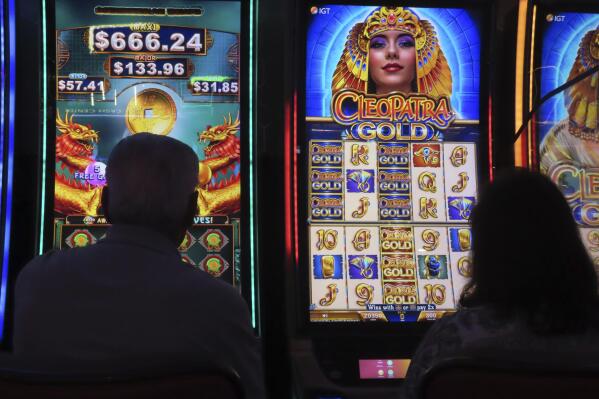
The mental health consequences of gambling extend beyond the individual to impact families and communities. Those struggling with gambling addiction may experience strained relationships, financial difficulties, and a diminished quality of life. Understanding the psychological toll is crucial for both individuals and their loved ones, as it highlights the need for support and intervention.
Recognizing Signs of Gambling Addiction
Identifying the signs of gambling addiction is the first step toward addressing the issue. Many individuals may deny their gambling problems or rationalize their behaviors, making it essential for friends and family to be vigilant. Common indicators include a preoccupation with gambling, an inability to control gambling habits, and using gambling as a way to cope with emotions.
Moreover, as gambling becomes a priority over other important aspects of life, such as work or relationships, the signs become more apparent. Early recognition can facilitate timely intervention, potentially preventing severe mental health issues from developing.
The Role of Support Systems
A strong support system can significantly impact an individual’s journey through recovery from gambling addiction. Support can come from various sources, including family, friends, and professional counseling services. Sharing experiences and feelings with trusted individuals helps individuals feel less isolated and more understood.
Therapy and support groups, such as Gamblers Anonymous, can also provide valuable tools for coping with addiction. These platforms not only offer community support but also equip individuals with coping strategies to handle urges and maintain sobriety. Encouraging open discussions about gambling can lead to healthier attitudes towards both gambling and mental health.
Therapeutic Approaches to Gambling Addiction
Various therapeutic approaches can effectively address gambling addiction and its associated mental health issues. Cognitive-behavioral therapy (CBT) has shown promising results in altering the thought patterns that drive compulsive gambling behaviors. By challenging irrational beliefs and developing healthier coping mechanisms, individuals can gain better control over their impulses.
Addiction counseling can also play a crucial role in the recovery process. This form of therapy focuses on understanding the underlying emotional triggers that lead to gambling while helping individuals develop strategies for managing cravings. Combining these therapeutic approaches can greatly enhance the chances of achieving lasting recovery.

Explore Safe Gaming Options
For those seeking a safer gambling experience, especially in the UK, exploring non-GamStop casinos can be beneficial. These platforms often provide a regulated environment with wider betting limits and diverse game selections, allowing players to enjoy gaming without the stringent restrictions often associated with traditional casinos.
As players consider their options, it’s essential to prioritize responsible gambling practices. Understanding the risks associated with gambling and recognizing when it may affect mental health can lead to a more enjoyable and safe gaming experience. Ultimately, responsible gaming ensures that individuals can indulge in their interests without compromising their mental well-being.